
Crafting Peace: Transforming Ganga Clay Through Spiritual Sculpture
Updated: 19 hours ago
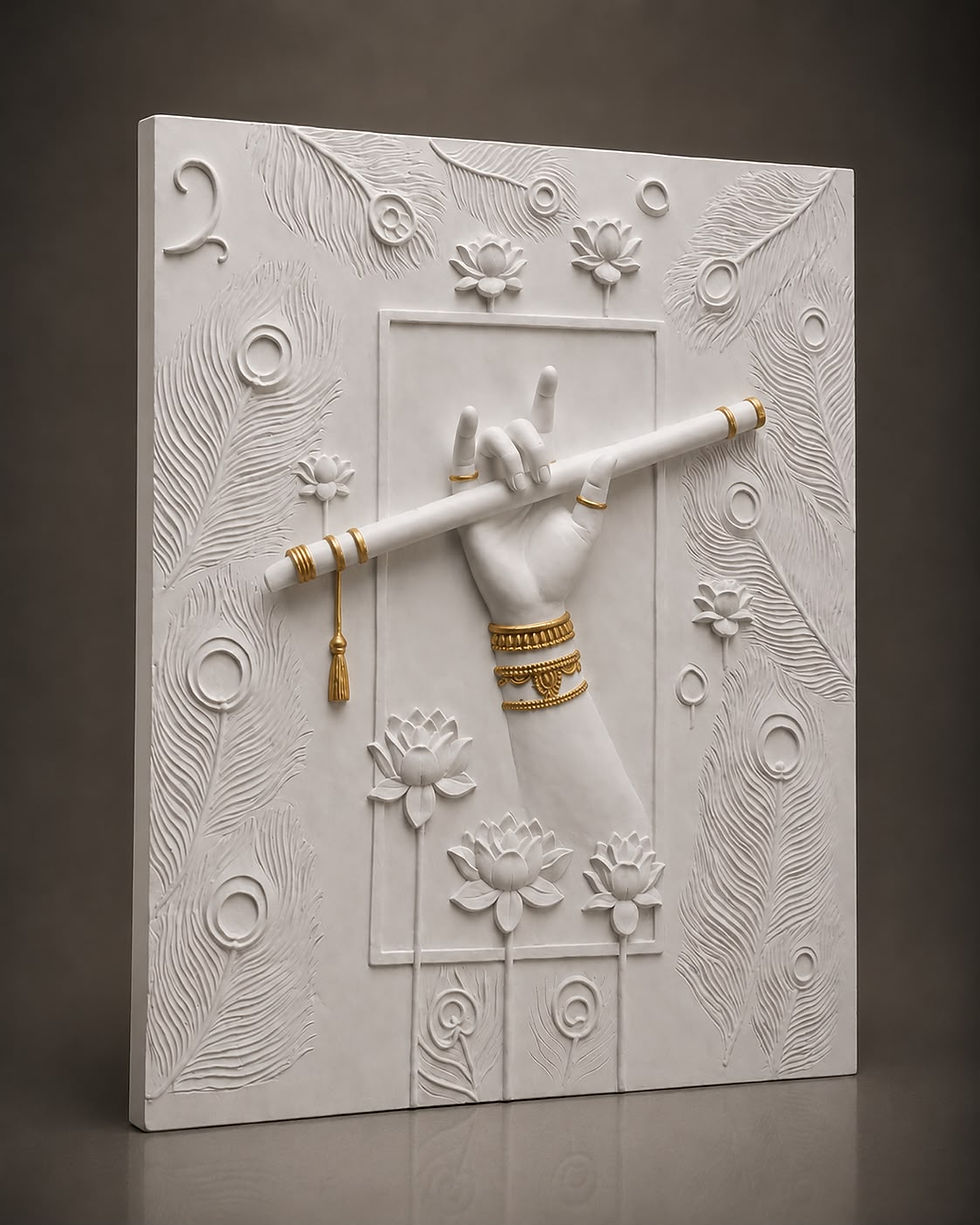
Starting with the sacred clay from the River Ganga, a unique journey unfolds—one that blends spirituality, artistry, and tradition. This clay, revered for its purity and connection to divine energy, becomes the foundation for creating sculptures that embody peace and spiritual harmony. Skilled sculptors mold this raw material, shaping it into forms that carry deep meaning and can be transferred across various mediums. This process is not just about art; it is about crafting a tangible expression of inner calm and spiritual mastery.

The Spiritual Significance of Ganga Clay
The clay from the River Ganga holds a special place in spiritual practices across India and beyond. It is believed to carry the river’s sacred energy, which has been revered for centuries for its purifying and healing properties. Using this clay as the starting point for spiritual sculptures connects the artwork to a larger tradition of devotion and reverence.
Purity and sanctity: The clay is naturally pure, free from harmful chemicals, and imbued with spiritual significance.
Symbol of transformation: Just as the river flows and changes, the clay represents the potential for transformation and renewal.
Connection to nature: Using natural materials grounds the spiritual practice in the earth, fostering a deeper connection to the environment.
This spiritual foundation makes the clay more than just a material; it becomes a medium for peace and divine expression.
The Role of Skilled Sculptors in Crafting Peace
Transforming raw Ganga clay into a meaningful sculpture requires more than technical skill. Sculptors act as spiritual guides, channeling their understanding of form, symbolism, and energy into each piece. Their expertise allows them to mold the clay in ways that evoke calmness, balance, and sacredness.
Key aspects of the sculptor’s role include:
Understanding symbolism: Sculptors incorporate traditional symbols that represent peace, enlightenment, and divine presence.
Attention to detail: Every curve and texture is carefully crafted to enhance the sculpture’s spiritual impact.
Patience and mindfulness: The process is meditative, requiring focus and respect for the material’s sacred nature.
Through this careful work, the sculptor breathes life into the clay, creating objects that inspire tranquility and spiritual reflection.
Transferring Spiritual Sculptures to Different Mediums
Once the sculpture is shaped from Ganga clay, it can be transferred or adapted into various mediums to reach wider audiences or serve different purposes. This flexibility allows the spiritual message to transcend the original form while maintaining its essence.
Common mediums include:
Bronze casting: Creating durable bronze versions of the clay sculptures preserves their form and allows for outdoor display.
Wood carving: Translating the design into wood offers a warm, natural alternative that complements the spiritual theme.
Digital art and prints: High-quality images or 3D models can be shared globally, spreading the message of peace beyond physical boundaries.
Each medium offers unique benefits, but all maintain the core intention of the original clay sculpture: to embody and share spiritual peace.

Practical Steps to Create Spiritual Sculptures from Ganga Clay
For those interested in exploring this art form, here are practical steps to begin crafting spiritual sculptures from Ganga clay:
Source authentic Ganga clay
Ensure the clay is collected respectfully and ethically from the river, maintaining its purity.
Prepare the clay
Clean and knead the clay to remove impurities and achieve the right consistency for sculpting.
Design with intention
Plan the sculpture’s form and symbolism to reflect peace and spiritual themes.
Sculpt mindfully
Work slowly and attentively, focusing on the energy you want to imbue in the piece.
Dry and preserve
Allow the sculpture to dry naturally, then consider sealing or transferring it to another medium for longevity.
Share the work
Display or gift the sculpture to inspire peace in others.
This process combines craftsmanship with spiritual practice, making each sculpture a unique expression of inner calm.
Why Spiritual Sculpture Matters Today
In a world often filled with noise and distraction, creating and experiencing spiritual sculptures offers a moment of stillness and reflection. The use of Ganga clay connects modern art to ancient traditions, reminding us of the enduring power of nature and spirituality.
Promotes mindfulness: Sculpting encourages presence and focus.
Fosters cultural appreciation: It honors Indian heritage and sacred practices.
Supports emotional well-being: Viewing or owning spiritual art can reduce stress and inspire peace.
By engaging with this art form, individuals can cultivate a deeper sense of calm and connection in their daily lives.
The Connection to Authentic Handcrafted Art
Crafting peace through the transformation of Ganga clay into spiritual sculptures is a meaningful practice that blends nature, artistry, and devotion. Starting with sacred clay, skilled sculptors create forms that carry powerful messages of tranquility. These sculptures can then be adapted into various mediums, allowing their peaceful energy to reach many. For those seeking a hands-on spiritual experience, working with Ganga clay offers a path to mindfulness and creative expression. Embracing this tradition invites us all to bring a piece of sacred calm into the world.


Comments