
Understanding the Art of Artistic Clay Sculptures
- Feb 26
- 4 min read
Clay has been a fundamental medium for artistic expression for thousands of years. The tactile nature of clay allows artists to mold, shape, and bring their visions to life in three dimensions. Artistic clay sculptures are not only a form of creative outlet but also a way to preserve culture, tell stories, and evoke emotions. This blog post explores the fascinating world of clay sculpture, offering insights into its history, techniques, materials, and practical tips for beginners and enthusiasts alike.
The History and Evolution of Artistic Clay Sculptures
Clay sculptures have a rich history that dates back to ancient civilizations. From the intricate pottery of Mesopotamia to the detailed figurines of the Indus Valley, clay has been a versatile material for artists worldwide. Early humans used clay to create functional objects like pots and vessels, but over time, it evolved into a medium for artistic expression.
In ancient Egypt, clay was used to craft statues of gods and pharaohs, symbolizing power and spirituality. The Greeks and Romans further advanced the art by creating lifelike busts and statues. During the Renaissance, artists like Donatello revived clay modeling as a preparatory step for bronze casting, emphasizing realism and anatomical accuracy.
Today, artistic clay sculptures continue to thrive, blending traditional techniques with modern innovations. Contemporary artists experiment with different types of clay and firing methods to push the boundaries of this ancient art form.

Techniques and Materials Used in Artistic Clay Sculptures
Creating artistic clay sculptures involves various techniques and materials, each suited to different styles and purposes. Understanding these basics can help artists choose the right approach for their projects.
Types of Clay
Earthenware Clay: This is a common, porous clay that fires at low temperatures. It is easy to work with and ideal for beginners.
Stoneware Clay: Fired at higher temperatures, stoneware is durable and less porous. It is suitable for functional and decorative pieces.
Porcelain Clay: Known for its smooth texture and translucency, porcelain is challenging to work with but produces elegant sculptures.
Polymer Clay: A synthetic clay that hardens in a regular oven, popular for small-scale and detailed sculptures.
Sculpting Techniques
Pinching: Shaping clay by pinching it between fingers, perfect for simple forms.
Coiling: Rolling clay into long coils and stacking them to build shapes.
Slab Building: Rolling out flat slabs of clay and cutting them into shapes to assemble.
Modeling: Adding and subtracting clay to refine details.
Carving: Removing clay to create texture and depth.
Tools and Equipment
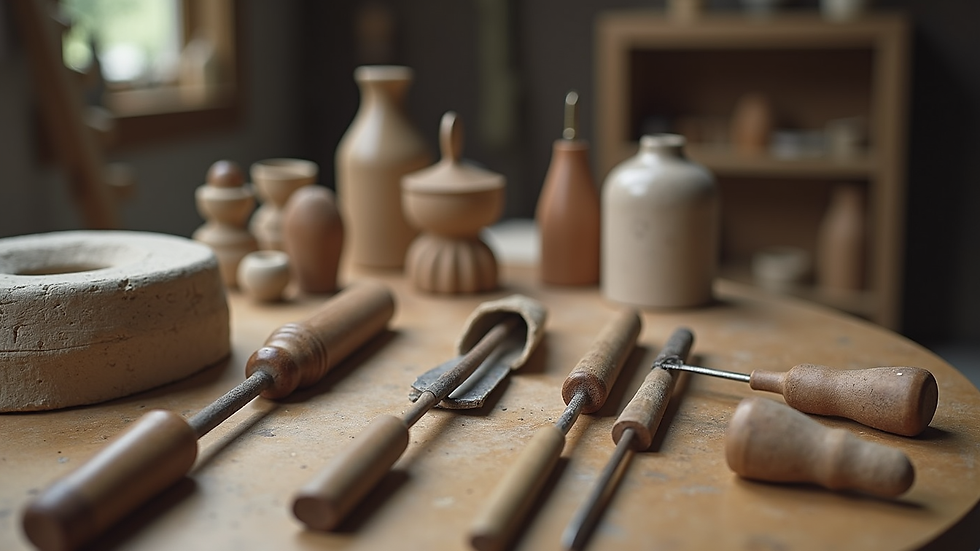
Artists use a variety of tools such as wire cutters, loop tools, ribs, and sponges to shape and smooth their sculptures. Kilns are essential for firing clay to harden and preserve the artwork.
Does dollar tree modeling clay harden?
Many beginners wonder if inexpensive modeling clays, like those from Dollar Tree, harden after use. The answer depends on the type of clay. Dollar Tree modeling clay is typically a non-drying, reusable clay designed for play and temporary projects. It does not harden when exposed to air or baking, unlike polymer clay or traditional ceramic clay.
For artists seeking durable sculptures, it is advisable to use clays specifically formulated to harden either through air drying or kiln firing. Polymer clays, for example, cure in a home oven and become solid and permanent. Air-dry clays harden naturally over time without the need for firing but may be less durable than kiln-fired clay.
If you want to experiment with Dollar Tree clay, keep in mind it is best suited for practice, prototyping, or educational purposes rather than creating lasting artistic pieces.
Practical Tips for Creating Stunning Clay Sculptures
Whether you are a beginner or an experienced artist, these practical tips can enhance your clay sculpting experience:
Start with a Clear Concept
Sketch your idea before working with clay. This helps visualize proportions and details.
Keep Clay Moist
Clay dries out quickly, so cover your work with plastic when not in use to maintain moisture.
Use Armatures for Support
For larger sculptures, build a wireframe or armature to support the clay and prevent sagging.
Work in Layers
Build your sculpture gradually, adding details in stages rather than all at once.
Smooth Surfaces with Water
Use a damp sponge or brush to smooth rough areas and blend seams.
Experiment with Textures
Use tools, fabric, or natural objects to create interesting surface textures.
Practice Patience
Sculpting is a slow process. Take breaks and revisit your work with fresh eyes.
Learn Firing and Finishing Techniques
Understand the firing temperature and duration for your clay type. After firing, consider glazing or painting to enhance your sculpture.
The Cultural Significance and Modern Applications of Clay Sculptures
Clay sculptures have always been more than just art objects; they carry cultural, religious, and social meanings. Many indigenous communities use clay to create ceremonial objects and tell ancestral stories. Museums worldwide showcase ancient clay artifacts that provide insight into human history.
In modern times, clay sculptures are used in various fields beyond traditional art:
Education: Teaching anatomy, art, and design.
Therapy: Art therapy uses clay to help individuals express emotions.
Entertainment: Stop-motion animation often uses clay models.
Interior Design: Unique clay sculptures add character to homes and public spaces.
The versatility of clay makes it a timeless medium that continues to inspire creativity and innovation.
Exploring the world of clay sculptures reveals a blend of history, technique, and personal expression. Whether you are crafting a small figurine or a large installation, understanding the fundamentals of clay art can elevate your work and deepen your appreciation for this ancient craft. Embrace the tactile joy of molding clay and let your creativity take shape in three dimensions.


Comments